

Independence Theater
Before we get started…if you want to learn more about bitcoin – connect with the Onramp MENA team.
And now, for the weekly roundup…
The clash between Jerome Powell’s Federal Reserve and the Trump administration regarding "Fed independence" demonstrates that the concept remains conditional, contested, and ultimately political.
Last week, Powell stated the administration threatened him with a criminal indictment tied to the Fed’s headquarters renovation, describing the move as a pretext to pressure rate cuts.
A truly insulated institution would ignore such friction. However, the Fed sits at the center of the state’s two hardest constraints: the cost of living and the cost of debt.
Political Origins of the Fed
The Federal Reserve exists as a statutory creation of Congress, accountable to the legislature, and led by officials appointed through political processes.
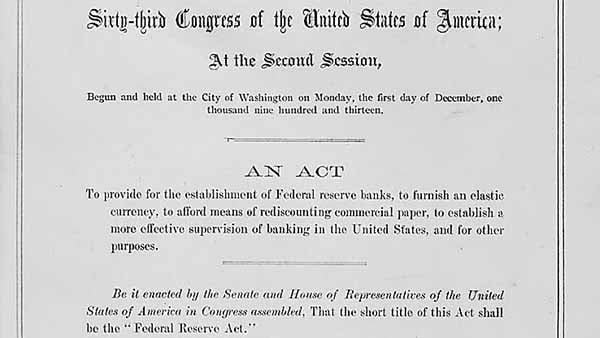
Historical accounts often trace the modern "independence" story to the 1951 Treasury-Fed Accord. Even Fed historians describe this as a foundational milestone.
However, the fine print matters. Independence functions as an institutional norm rather than a legal force field, holding when politics allow it and weakening when politics cannot afford it.
Legitimacy Requires a Shield
The Fed requires public acceptance of a hard truth: fiat systems necessitate constant maintenance, and that maintenance creates distributional consequences. Inflation functions as a persistent transfer mechanism, reducing purchasing power over time and pushing households toward risk assets to maintain position.
Central banks avoid admitting this plainly to prevent questions regarding why a committee of unelected officials controls the price of money. Instead, the Fed relies on a narrative of mandate, independence, expertise, and technical necessity. This story serves as a political requirement for the system to function without revolt.
Following the White House pressure, the European Central Bank and a coalition of international central bankers issued a rare joint statement of "full solidarity" with Powell.
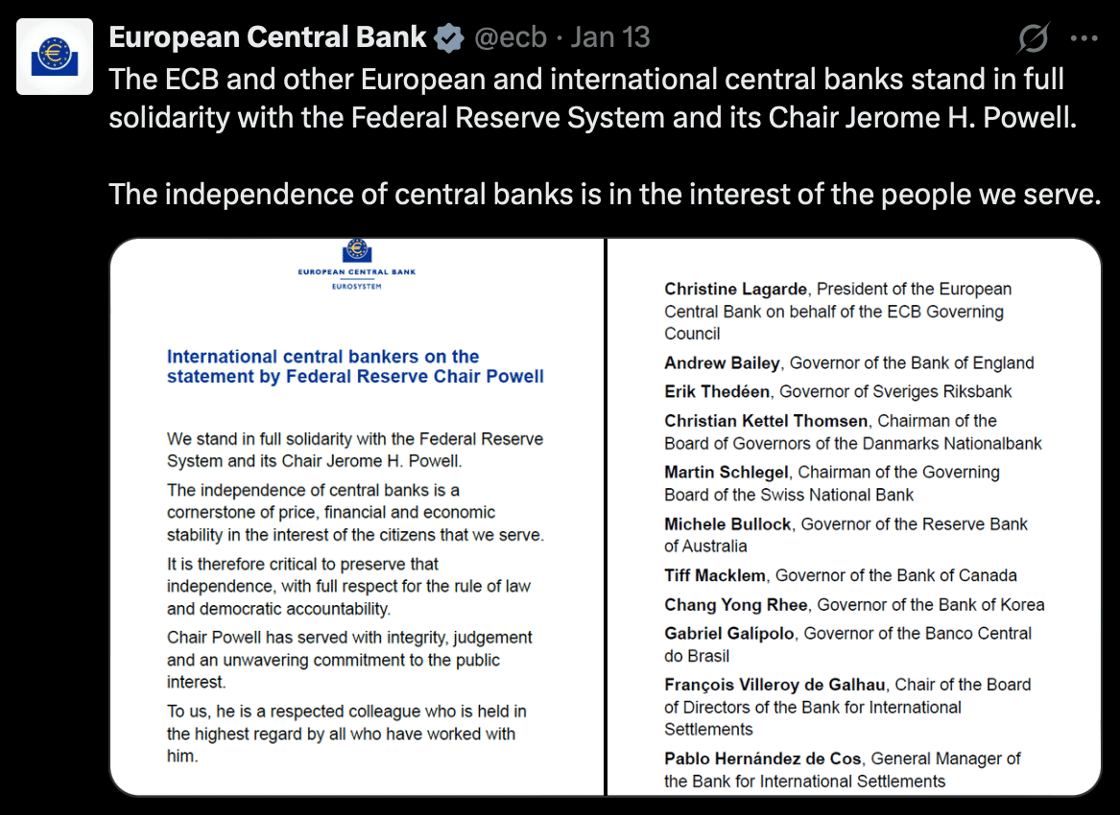
This synchronized defense reveals the fragility of the fiat architecture. These institutions understand that "independence" is a shared confidence mechanism. If the Fed’s shield cracks visibly, the operational premise for every other central bank on that list becomes vulnerable to the same political forces. They are not just defending a colleague; they are defending the narrative that allows the system to function.
“Engine of Inequality”
Treasury Secretary Scott Bessent explicitly described the Fed as an “engine of inequality,” criticizing the distribution effects of modern central banking. This critique resonates because liquidity abundance drives rapid asset repricing. Wages and living costs adjust differently, often later and painfully.
The Fed’s public narrative leans heavily on CPI and related aggregates, yet households live outside these averages. Consequently, the Fed declares progress while households experience continued strain. When that credibility gap widens, "independence" sounds like branding.
Structural Pressure
The current conflict represents a structural feature of the system. A government with large debt and future obligations lacks tolerance for tight money. Political pressure on the Fed arises as the natural result of fiscal reality.
The relevant question concerns how long the Fed can act independent in practice before the political system leans on it again. Currently, that pressure is happening in public.
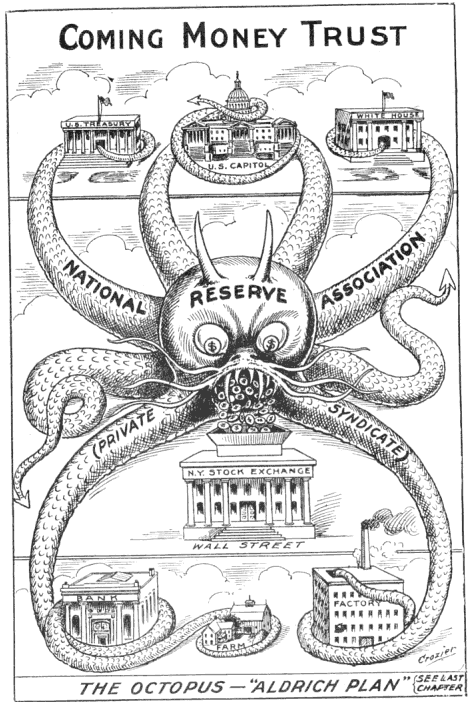
Austrian economists have warned for a century that credit expansion distorts signals and creates cycles of malinvestment. Mises stated this clearly: “There is no means of avoiding the final collapse of a boom brought about by credit expansion.”
Hayek’s perspective remains relevant: “I don’t believe we shall ever have good money again before we take the thing out of the hands of government… all we can do is by some sly roundabout way introduce something that they can’t stop.”
Bitcoin operates as that “sly roundabout way.” It functions without asking permission or requiring trust in a committee. It provides a monetary rule set that remains unchanged regardless of political volume. This offers the antidote for those who understand the requirements of fiat.
The Genesis of the Alternative
This public unveiling of the Fed’s political reality provides the strongest possible validation for bitcoin’s existence.
Satoshi Nakamoto did not embed a random headline in the Genesis Block. The text, “The Times 03/Jan/2009 Chancellor on brink of second bailout for banks”, served as a permanent timestamp and a mission statement.
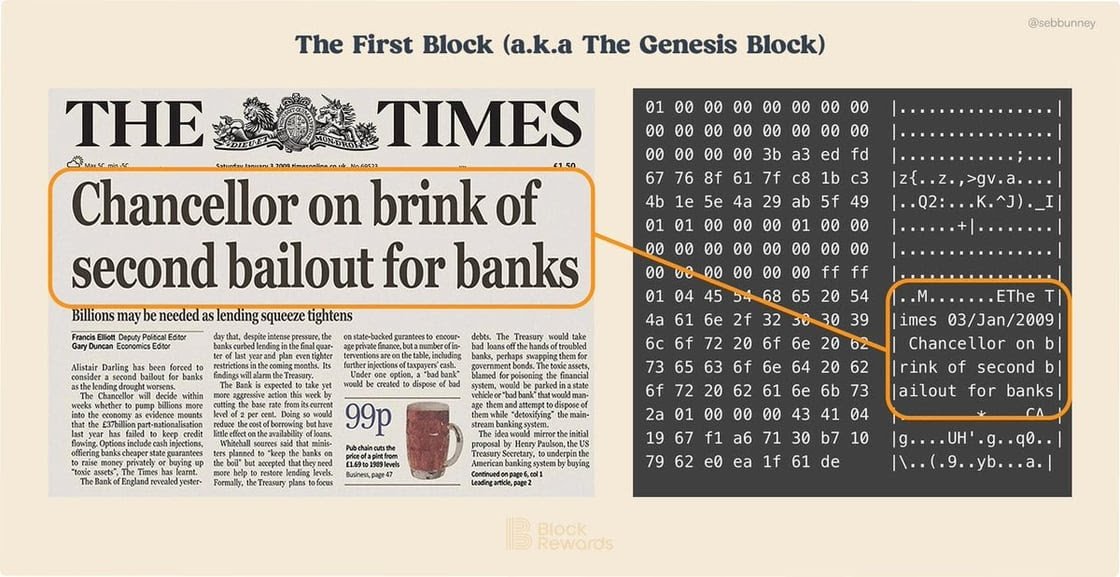
It identified the structural flaw: money controlled by unelected, fallible humans eventually bends to political pressure. The system requires trust in people who are incentivized to debase the currency to perpetuate the mirage of stability and growth.
Bitcoin offers the inverse architecture. It replaces “independence” (a fragile, human norm) with consensus code. It replaces committee meetings with a difficulty adjustment. It provides a monetary standard that no President can pressure and no Chair can debase.
The current theater proves exactly why the world needs money that operates outside of Washington.
Closing Thoughts
The Powell versus administration fight acts as a spotlight, but the underlying strategy is structural. Jerome Powell’s term expires in May 2026, and his successor will inevitably be handpicked to deliver the aggressive rate cuts the administration demands.
Perhaps the current spectacle serves to delegitimize the institution in advance of that transition. By exposing the friction now, the administration demonstrates that "independence" is already a fallacy. This clears the path for the executive branch to exert direct influence. If the public accepts that the Fed is not independent, then installing a politically compliant Chair becomes a matter of honesty rather than overreach.
Recognizing money as political clarifies the necessary action. Spend in dollars if necessary. Save in neutral scarce assets to preserve purchasing power.
Bitcoin was designed for this recognition.
Chart Of The Week
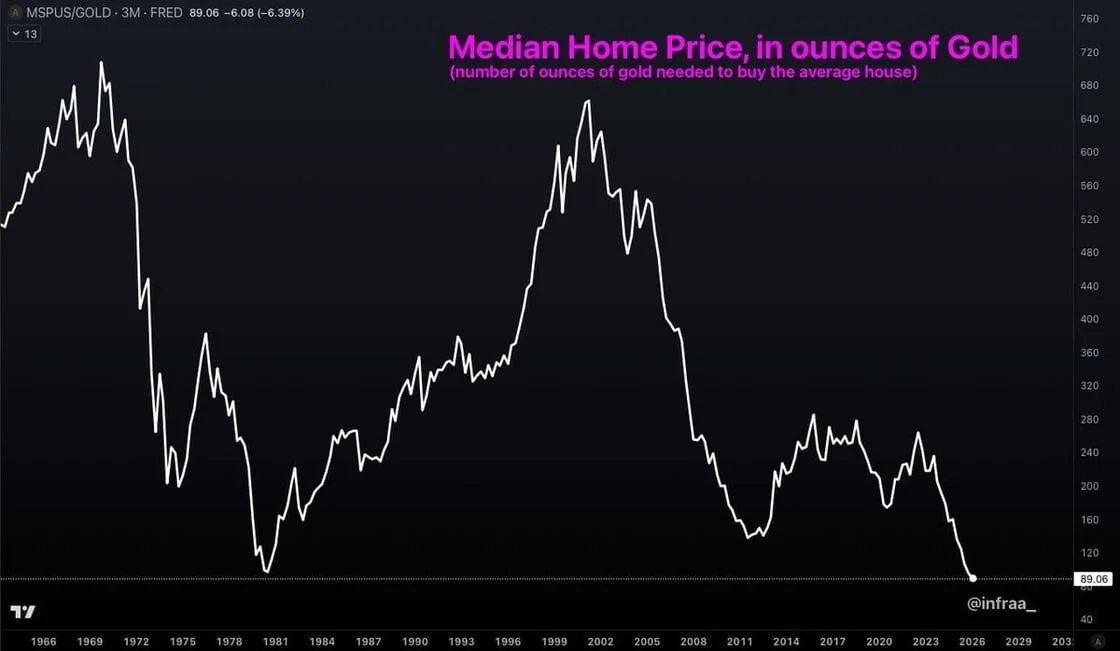
"Home prices are collapsing: 1yr ago, the median home in America cost 159 ounces of gold.
Today, the median home costs just 89 ounces of gold: A RECORD LOW
In just a year, home prices fell by 44% if you save in scarce assets that can't be printed to oblivion like the US dollar."
— Robert infra on X
Quote Of The Week
"If you are wondering what the heck is going on with gold and silver, the better question may be, what is going on with the money?"
— James Lavish on X
Podcast Of The Week
Bitcoin For Professionals: Bitcoin Through the Eyes of a Whitehouse Insider
From the White House press room to refugee camps in Kenya, Bitcoin’s real story is not just about price or hype. It is about translation, education, and human reality.
Frank Corva shares what he’s seen at the true frontlines of adoption, and why Bitcoin’s future will be built gradually, and then suddenly.
Subscribe to Onramp MENA’s YouTube channel to catch new episodes of the Bitcoin For Professionals podcast!
Onramp MENA is an advisory and educational platform dedicated exclusively to Bitcoin.
If Onramp MENA’s offerings align with your needs, or those of someone you know, feel free to schedule a consultation with us here.